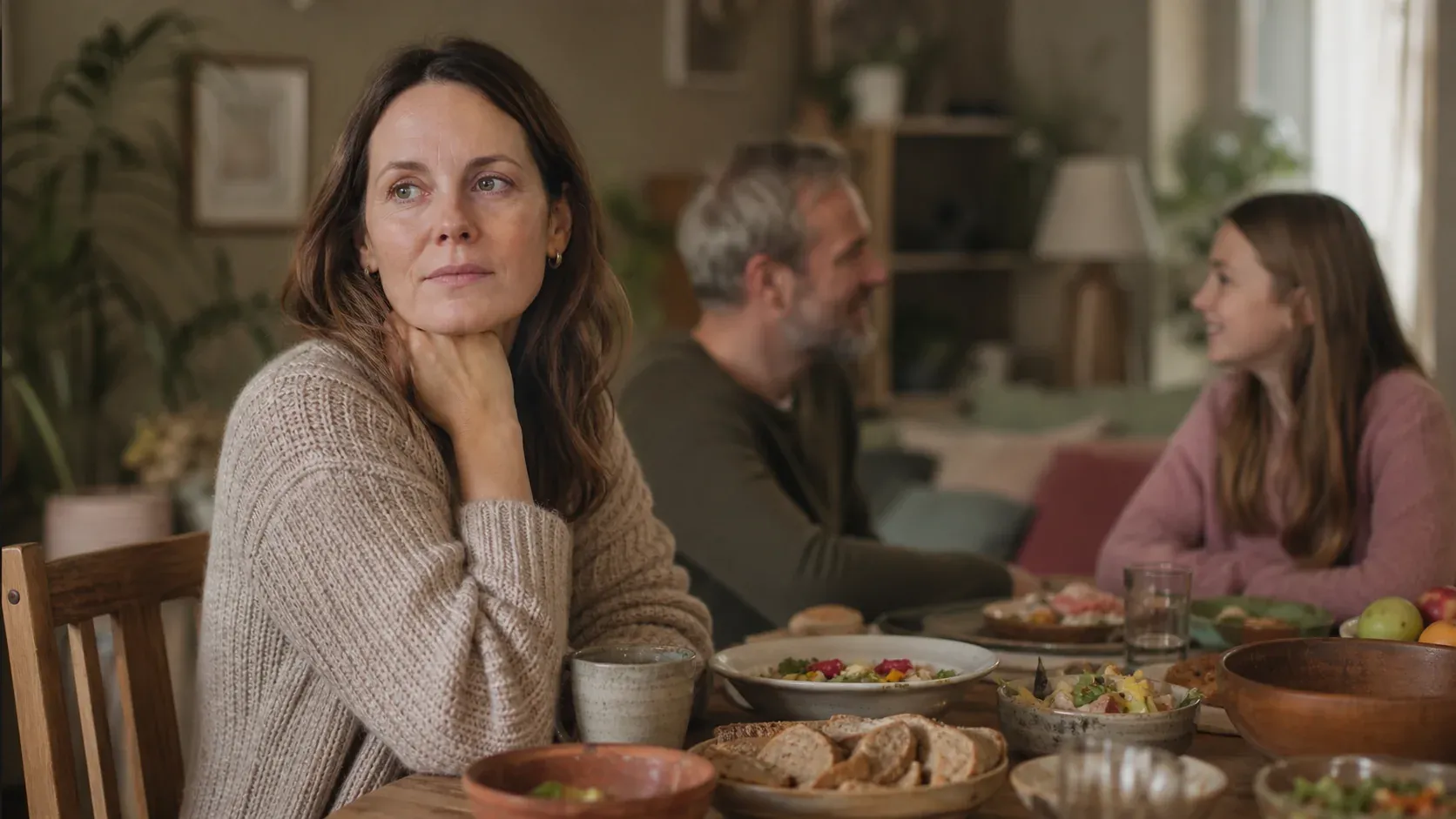

Grief after the death of someone close is not an illness or a sign of weakness. It is the mind and body’s response to losing a relationship. The pain can be intense, unfamiliar, changeable and sometimes frightening, but much of what feels “abnormal” in grief is a natural part of loss.
There are nevertheless times when you do not need to carry the pain alone. Psychological support after bereavement is not about “forgetting” the person who died. It can help you endure, understand your reactions, work through guilt or anger and gradually find a way to carry on living without denying what mattered.
At a glance: when is it worth seeking support?
- if the pain is so intense that you can no longer manage everyday activities;
- if isolation, guilt, hopelessness or a wish not to exist are increasing;
- if there is no relief after several months and life becomes increasingly restricted;
- if the death was sudden, violent, by suicide or connected with a traumatic event;
- if you want to talk but have no safe space among those around you.
Grief has no single correct timetable
People often ask: “Should I feel better by now?” or “Why does it still hurt after so much time?” The answer is different for everyone. Grief is influenced by the closeness of the relationship, the circumstances of the death, earlier losses, health, support, family history, culture and how much life has changed since the person died.
The stages of grief are widely discussed, but they are not a compulsory sequence. Someone may feel sadness one day, anger the next, then a brief calm, before a birthday or anniversary brings another powerful wave of pain. That does not mean you have “gone backwards”. Grief often moves in waves rather than a straight line.
This article discusses grief after the death of someone close. If your loss follows the end of a relationship, read about coping with separation and gradually finding your feet, in a separate guide, which also explores communication with a former partner and changes to everyday life.
What is natural in grief?
People can experience a very wide range of reactions after loss. Some cry a great deal; others cannot cry at all. Some want to talk about the person who died, while others avoid even their name for a time. Both can be part of grief.
Emotions
- sadness and longing
- anger or a sense of injustice
- guilt
- relief after a long illness
- emptiness or numbness
Body
- fatigue
- changes in sleep
- changes in appetite
- tightness in the chest or throat
- difficulty concentrating
Thoughts
- thoughts keep returning to the person who died
- wanting to revisit your final conversations
- struggling to believe what happened
- asking “why?”
Behaviour
- wanting to be with people or to withdraw completely
- avoiding reminders or seeking them out
- feeling more sensitive to dates, places and belongings
Important
Natural grief can be deeply painful. The difference is that, over time, people gradually experience brief moments of respite alongside the pain, manage at least some everyday activities, accept support and begin building a life around the loss.
When does pain signal a need for support?
You can seek help even when grief is “normal” but very difficult. You do not have to wait until things become extreme. These signs suggest that support from a psychologist, psychiatrist or crisis service may be needed sooner:
- everyday life is increasingly disrupted: working, studying or caring for yourself or children becomes difficult;
- pain does not simply return in waves, but remains so intense nearly all the time that functioning feels impossible;
- you become very isolated and no longer let anyone support you;
- you experience unbearable guilt, self-blame or thoughts that you have no right to carry on living;
- you constantly avoid anything that recalls the loss or, conversely, cannot step away from memories and belongings;
- you misuse alcohol or sedatives, overwork or turn to other ways of numbing the pain;
- you have thoughts of suicide or self-harm, or a wish to die alongside your loved one.
When should you not wait?
If you have suicidal thoughts, an urge to harm yourself, feel unable to stay safe or fear for someone else’s safety, seek urgent help. In Lithuania, call 112, contact Vilties linija on 116 123 or go to the nearest emergency department.
Prolonged grief: what should you know?
International literature uses the terms “prolonged grief” and “complicated grief”. They describe a state in which the pain of loss remains so intense for so long that a person cannot return to everyday life: they constantly yearn for the person, struggle to accept the death, avoid reminders or become stuck in them, feel disconnected from others and lose a sense of meaning.
Under DSM-5-TR criteria, a diagnosis of prolonged grief disorder in adults requires at least 12 months to have passed since the death. This does not mean you must wait a year without support. If pain is not easing after several months, everyday life is falling apart or warning signs appear, seek advice earlier.
Grief or depression?
Grief and depression can overlap: both may affect sleep, appetite, energy and concentration, and bring frequent tears or hopelessness. There are, however, some pointers that can help you recognise when professional assessment may be needed.
| Question | More common in grief | More common in depression |
|---|---|---|
| How does the pain appear? | In waves, often connected with memories, places, dates or longing. | Low mood becomes more persistent and affects many areas of life. |
| How does the person see themselves? | There may be guilt about specific situations, but self-esteem does not necessarily collapse. | Worthlessness, self-hatred or persistent guilt are more common. |
| Is there connection with others? | The person may want to talk about the deceased or briefly feel close to others. | Interest, closeness, pleasure and hope are more widely diminished. |
| When is urgent help needed? | When there are thoughts of suicide or self-harm, or it is no longer safe to be alone. | |
This table is not a tool for self-diagnosis. If you are unsure, speak to a mental health professional or your GP, particularly if symptoms are intense, persistent or interfere with caring for yourself.
What can you do for yourself after a loss?
There is no single exercise that removes the pain of grief. At first, the aim is often much simpler: help yourself get through the day and avoid leaving yourself completely alone.
Restore small anchors in your day
Big plans can feel impossible while grieving. Start simply: go to bed at a similar time, eat at least a few times a day, take a short walk, wash and reply to one person.
Do not rush yourself to “let go”
Grief is not an exam to pass quickly. Your connection with the person who died can remain, gradually taking a different form through memories, rituals, values and conversations with those close to you.
Be specific about help
If people ask how they can help, request small, concrete things: bringing food, keeping you company, accompanying you to an appointment, helping with children or reminding you about a meeting. Coordinating support alone is difficult when grieving.
Find someone who can hear your story safely
Sometimes loved ones are afraid to hear your pain or cannot support you because they are grieving too. A psychological consultation can offer space to tell the story of your loss without having to protect others from your feelings.
If you need time away from work
Under Lithuania’s Labour Code, an employer must, at an employee’s request, grant up to five calendar days of unpaid leave to attend a deceased family member’s funeral. This is also explained by the State Labour Inspectorate of Lithuania. If grief continues to affect sleep, concentration or your ability to work safely, speak to your GP and discuss a temporary reduction in workload with your employer.
How can a psychologist help with grief?
Psychological support after bereavement is not an attempt to “erase” pain. It is more like a safe space in which you can gradually untangle what has accumulated: guilt, anger, unspoken words, fear of being alone, a changed role in the family, anxiety about the future or a feeling that others have tired of listening.
In consultations, you can tell the particular story of your loss, find everyday sources of support, create a personal farewell or remembrance ritual, learn to live with important dates and understand the inner patterns that make grieving harder. Sometimes the work is not only about the person who died, but also about how loss changes identity, relationships and self-esteem.
Iveta Litvinienė offers online consultations via Teams to adults and young people aged 16 and over, in Lithuanian and English. If you are grieving and would like a safe space to talk, you can book on the booking page. If you would first like to understand the consultation process, read about online psychological consultations.
If a paid consultation is not accessible right now, contact your mental health centre in Lithuania. Lithuania’s National Health Insurance Fund states that these services are free for registered patients covered by compulsory health insurance, no referral is needed, and urgent help is provided without a queue during the centre’s opening hours.
How can you support someone who is grieving?
A common mistake is trying to reassure someone too quickly: “Time heals”, “Be strong”, “They would not want you to be sad”. These phrases may come from concern, but can sound like pressure to stop feeling. Simple, concrete presence often helps more.
What to say:
“I am here.” “You can talk about them as much as you want.” “I will bring food on Thursday.” “I can look after the children for two hours.” “I do not know what to say, but I want to be with you.”
What to avoid
Do not rush someone, compare losses, force them to talk or tell them how they “should” feel. If you notice a risk of suicide, do not keep it a secret on your own: urgent support is needed.
When a child or teenager is grieving
Adults often want to protect children from pain, so they keep quiet about what happened or leave them out of saying goodbye. NHS guidance emphasises that direct, honest and open conversation helps children more than trying to hide the truth, and that exclusion from family farewell rituals can leave them feeling left out.
Talk about the person who died
It helps a child to have an adult with whom they can remember the person and share feelings. Photographs, stories or playing together can support this.
Include them in saying goodbye
Discuss as a family how the child might take part in saying goodbye or remembering the person. Consider their age and wishes.
Let them grieve in their own way
Children may speak about a loss at unexpected times and in different ways. Young children sometimes include death in play. This can be natural: it is a way of trying to understand what happened.
Make a memory box
Together, you can fill it with gifts, objects collected together, memories written on cards or other things that remind the child of their connection with that person.
Care for yourself too
A grieving adult also needs support. Having someone to talk to yourself makes it easier to be there for a child.
Teenagers may experience loss differently from adults: some talk more with friends, while others withdraw. Read about when a teenager’s difficulties suggest a need for more support in the article on psychological difficulties in adolescence. In Lithuania, children and teenagers can talk anonymously to Vaikų linija on 116 111 and the round-the-clock Jaunimo linija on 0 800 28888.
Frequently asked questions about grief after loss
How long does grief last after a loss?
There is no single correct timeframe. For many people, the most intense pain gradually changes, but longing, waves of sadness and sensitivity around important dates may return even years later. Time is not the only consideration; what matters is whether someone gradually regains the ability to live, care for themselves and maintain relationships.
Is it normal to feel anger, guilt or nothing at all after a loss?
Yes. Grief can involve sadness, anger, guilt, relief, confusion, emptiness or emotional numbness. These reactions do not mean you are grieving incorrectly. It is worth seeking support when feelings become unbearable, persist without any relief or begin to disrupt everyday life.
When should I see a psychologist after someone close dies?
You can seek help at any point if coping alone feels too difficult. It is especially important not to wait if you cannot manage everyday responsibilities, become very isolated, have suicidal thoughts, experience unbearable guilt, use alcohol or sedatives to cope, or find that after several months the pain does not ease and life becomes increasingly restricted.
What is prolonged grief?
Prolonged or complicated grief describes a state in which intense longing, preoccupation with the loss, avoidance, difficulty accepting the death or a sense that life has no meaning persist and interfere with functioning. Under DSM-5-TR criteria, a diagnosis of prolonged grief disorder in adults requires at least 12 months to have passed since the death, but you can seek help much earlier.
How does grief differ from depression?
In grief, pain often comes in waves connected with the loss: memories, places, dates and longing. In depression, low mood tends to be more persistent and affects wider areas of life, including self-esteem, hope, interests, energy, sleep and appetite. Suicidal thoughts require urgent support.
How should I talk to a child about someone’s death?
Speak directly, honestly and simply, in a way that fits the child’s age. Trying to hide the truth or exclude them from saying goodbye often creates more confusion and a sense of being left out. Let children ask questions, remember the person and grieve in their own way, for example through play, photographs or a memory box.
Can a psychologist help if they cannot bring the person back?
A psychologist does not aim to remove love or memories. Support can offer a safe place to talk about the loss, work through guilt and anger, rebuild a daily rhythm and find ways to preserve a connection with the person who died while gradually returning to life.
Are online consultations suitable when grieving?
Yes, provided there is no acute crisis and you have a private space to talk. An online consultation via Teams can be convenient for people in Lithuania and those living abroad, especially when travelling is difficult or they want to speak in their native language.
Sources and guidance
- NHS: Grief after bereavement or loss
- American Psychiatric Association: Prolonged Grief Disorder
- Mayo Clinic: Complicated grief
- Pagalba sau: the death of someone close
- Pagalba sau: support options in Lithuania
- NHS: Children and bereavement
- State Labour Inspectorate of Lithuania: family and work, information for employees
- National Health Insurance Fund of Lithuania: where to access free psychological support (2025)
You do not have to go through grief alone.
When the pain of loss feels too heavy, talking to a psychologist can help you feel less alone, understand your experience and gradually find a way forward, without rushing and at your own pace.
Book a consultation