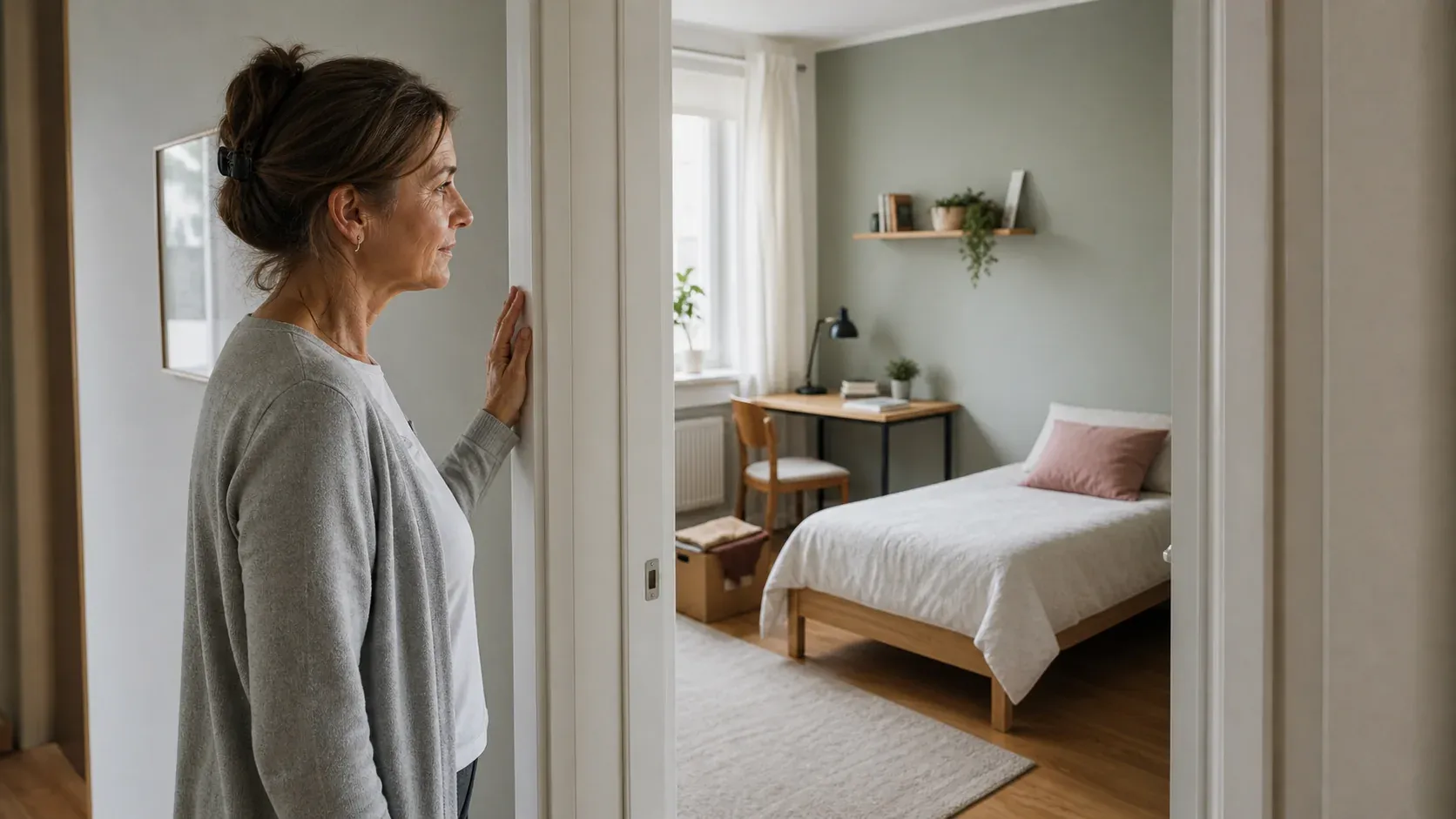

Sometimes loneliness has little to do with how many people are around you. You may have a husband, children, loved ones, a home and a full daily life… and still feel a strange emptiness in the evening. As if nobody truly sees you. That loneliness is real, even if you appear surrounded by people from the outside.
The World Health Organization describes loneliness as a painful gap between the connection you want and the connection you have. So the question “Why do I feel lonely even though I have a family?” is often less about the number of people than whether you feel heard, accepted and able to be yourself in your relationships. Feeling lonely does not mean you are ungrateful to your family or do not love them. It may signal needs within you that have gone unheard for a long time.
At a glance: why can you feel lonely within a family?
- being physically together does not always bring emotional closeness;
- caring for others over a long period can leave your own needs in last place;
- conversations may stay focused on practical matters while unspoken emotions create distance;
- changes in family life can increase distance in relationships;
- anxiety, low mood, exhaustion or unsafe relationships can sometimes intensify loneliness.
Feeling lonely does not mean being alone
Social loneliness is more closely linked to lacking a wider circle of meaningful social relationships or community, while emotional loneliness involves lacking a close connection in which you feel understood and accepted. Social isolation is a separate, more objective phenomenon: having few contacts or a limited social network. You may live with family and be around people every day, yet lack someone with whom it feels safe to share vulnerable feelings.
That is why “But you’re not alone” rarely helps. It describes the outside, while you are describing an inner lack of connection. Loneliness is not a whim, ingratitude or proof that something is wrong with you. It is a signal worth listening to without shame or self-blame.
Why might you feel lonely with family nearby?
Loneliness within a family usually has more than one cause. Sometimes it relates to the quality of relationships, sometimes to needs put aside for a long time, and often these are intertwined. Try approaching these possibilities as questions about your experience, rather than diagnoses.
Your needs keep coming last
When you suppress your needs for a long time, you can become used to being strong, understanding and taking care of everyone, and forget to ask yourself: “What do I need?” From the outside, it may look like strength, while inside a feeling builds: “I spend all day caring for others, and it is as if I have disappeared.”
Relationships revolve around practical matters, with little closeness
You can talk every day about shopping, the children and plans, yet have no space to share fear, sadness, doubts or what really matters. Being physically together does not necessarily mean feeling heard, understood and accepted.
You gradually lose touch with yourself
Sometimes you live for so long by “I need to”, “I must” and “I should be good” that you no longer know what you really feel or want. Adapting to stages of family life can become so automatic that it is hard to distinguish your wishes from others’ expectations. This is not your fault; it is an invitation to rediscover your feelings, values and boundaries.
Unspoken emotions create distance
Hurt, sadness, anger, disappointment or longing can quietly create distance even in the closest relationships. You may then be among loved ones while increasingly withdrawing inside and no longer expecting to be understood.
Family life feels tense or unsafe
Criticism, constant conflict, being ignored, control, threats or violence can create profound loneliness. In this situation, it matters not only to learn to express needs more clearly but also to assess whether the relationship offers respect and emotional and physical safety.
Life has changed, but your connection has not yet adapted
Children being born and growing up, moving home, bereavement, illness, changes at work or a relationship crisis alter family rhythms. Previous ways of being close may no longer work, so building a renewed connection takes time and deliberate effort.
When children leave homeEmotional closeness is different from sharing a space
Closeness develops when a relationship allows you not only to fulfil responsibilities but also to be seen: to share feelings and receive attention, comfort, interest or respect. Sometimes everyone in a family is busy and well-intentioned, yet living in their own inner world. Loneliness can then come with a strange feeling: “I have people to talk to, but nobody I can tell how I really feel.”
Research suggests that loneliness can also influence how we interpret loved ones’ care and interest: when we feel disconnected, we may notice rejection more readily and find it harder to trust another person’s goodwill. This does not mean the feeling is imaginary or the relationships are necessarily bad. Sometimes loneliness comes from a real lack of emotional connection; sometimes a cycle of withdrawal and mistrust maintains it. You can explore both sides of this cycle without blaming yourself.
Your feelings matter, but they do not always show the whole picture of your family. It is therefore important to consider both how you feel and how others actually treat you.
When an unsafe relationship intensifies loneliness
Not every difficulty with connection can be resolved through conversation. If a relationship involves persistent humiliation, threats, physical or sexual violence, financial control, isolation from loved ones, monitoring or fear of the other person’s reaction, the problem goes beyond “poor communication”. In these circumstances, your safety and finding a trusted person and specialist support come first.
If talking to your partner is unsafe, do not plan a difficult conversation alone or reveal your intentions if this could increase the danger. If there is an immediate threat to life or health in Lithuania, call 112. A psychological consultation can help you plan safer next steps, but it does not replace emergency assistance.
How can you understand what kind of connection is missing?
Before asking loved ones to change, it may help to answer a few specific questions for yourself. The aim is to turn your feeling into a clearer need, rather than to make you solely responsible for your relationships.
Perhaps the first step is to pause and ask: “How do I really feel?” “What am I missing?” “What do I long for in myself, my relationships and my life?”
- When does loneliness intensify? After conversations, conflict, silence or tiredness, in the evening or among other people?
- What specifically is missing? Being heard, affection, attention, time together, sexual intimacy, help at home, respect or the freedom to be yourself?
- Can I express this safely? How do loved ones respond when you talk about feelings or needs?
- Where else can I find connection? Which people, activities or communities help you feel alive, rather than simply functional?
How can you begin reconnecting with yourself and loved ones?
You do not need to “fix” loneliness in one perfect conversation. Connection usually returns through small, repeated actions, and sometimes you first need to reconnect with yourself. Try only what feels safe and possible at the moment.
First, name what is happening for yourself
Try noticing when loneliness intensifies: in the evening, after conflict, among other people, while talking to your partner or when nobody asks how you feel. A specific context helps you understand what kind of connection is missing.
Talk about your experience rather than the other person’s fault
For example: “When we only talk about practical things, I feel distant. It matters to me to spend at least fifteen minutes a day talking about how we’re really doing.” A specific request gives the other person a chance to understand where to begin.
Build closeness through small, regular actions
Emotional connection often grows through repeated moments rather than one big conversation: a walk, dinner together without screens, a question and real listening. Choose something that fits your daily life.
Make room in your life beyond family roles
Friendships, connections with relatives or a community, professional activities and personal interests do not mean neglecting your family. They help sustain a broader sense of identity and support network, especially when one relationship cannot meet every emotional need.
If you want to begin by talking with your partner, choose a time when you can both be reasonably calm. Describe a specific event, your feeling and your need, then make a small request. For example: “When we only talk about work in the evenings, I feel distant. I’d like us to have time to talk without phones a few times a week.” The other person’s response also tells you something important: closeness is built by both people, rather than by your efforts alone.
When is it worth seeing a psychologist about loneliness?
You do not have to wait for loneliness to become a crisis. You can see a psychologist when you want to understand a recurring experience, learn to talk about needs, restore boundaries or make decisions about relationships. It is especially important not to face this alone if:
- loneliness lasts for several weeks or longer and gradually intensifies;
- it makes sleeping, working, caring for yourself or managing daily responsibilities difficult;
- anxiety, low mood, hopelessness or irritability increase, or you lose interest in things you once enjoyed;
- you withdraw increasingly from others, although you really want closeness;
- you feel continually blamed, controlled, intimidated or unsafe in your relationships;
Loneliness can also be associated with low mood, anxiety or exhaustion. This is not a way to diagnose yourself, but if your sleep, appetite, energy, self-esteem or capacity for enjoyment have also changed, it is worth speaking with a psychologist and, when needed, your GP. Read more about when support may be useful in the article when to see a psychologist.
When is urgent help needed?
If you have thoughts of suicide, self-harm or wanting to die, or no longer feel safe, do not stay alone: in immediate danger in Lithuania, call 112 or go to the nearest emergency department. In Lithuania, Vilties linija offers emotional support for adults around the clock on 116 123; you can find more support options on the TuEsi website. If possible, also contact someone you trust who can stay with you.
How can a consultation with a psychologist help?
A consultation offers a safe opportunity to pause and listen to what has no space in daily life. Together, we can explore when loneliness appears, which relationship patterns sustain it, how to recognise and express your needs without abandoning yourself, and how to set boundaries. This does not promise that other people will change, but a clearer relationship with yourself can help you make more considered decisions.
If you would like to begin, you can learn about online consultations with a psychologist, view consultation fees or get in touch about a consultation. I offer online consultations via Teams in Lithuanian and English.
If what you most need now is companionship and a chance to hear similar experiences, you could also explore online psychologist-led groups. Groups are formed periodically around a theme and participants’ needs.
Frequently asked questions about loneliness within a family
Is it normal to feel lonely even with family around?
Yes. Loneliness is a subjective sense of lacking connection, so it can arise while living with a partner, children or other loved ones. It does not mean that you do not love your family or are ungrateful to them. Often it signals a need for emotional closeness, someone to listen, support or space for your own needs.
What is the difference between emotional and social loneliness?
Social loneliness is more closely related to having too few meaningful social connections or lacking a wider community. Emotional loneliness can arise when you lack someone close with whom you can be open and feel understood. Both experiences can occur together, but being surrounded by people does not always provide emotional closeness.
How can I tell my family that I feel lonely?
Choose a calmer moment and speak specifically from your own experience: “I’ve been feeling distant lately, and I miss our conversations. I’d like us to have time together without our phones once a week.” A clear need and a specific request often help more than blame. However, if you fear the other person’s reaction, focus first on your safety and speak with a professional.
Does loneliness mean that the problem is with me?
No. Loneliness is shaped not only by personal habits or how you feel, but also by relationship quality, family dynamics, life circumstances, health, cultural expectations and access to support. It is worth exploring your part, but you should not take sole responsibility for connection.
When is it worth seeing a psychologist about loneliness?
It is worth seeking help when loneliness continues, intensifies, interferes with sleep, work, self-care or relationships, or when it is difficult to understand on your own what is really missing. Support can also help earlier, if you want a safe space to explore your needs, boundaries and recurring relationship patterns.
Can a psychologist help if my family does not change?
A psychological consultation cannot make other people behave differently, but it can help you understand your experience, name your needs, set boundaries, choose safer conversations and decide what support you need. If there is violence, threats or control in a relationship, safety takes priority over improving communication.
Are online consultations suitable for discussing loneliness within a family?
Yes, if you have a private and safe place to talk and are not in an acute crisis. An online consultation with a psychologist via Teams can help you begin addressing loneliness, relationship difficulties, self-esteem and personal needs, whether you live in Lithuania or abroad.
Sources and further reading
- World Health Organization (2025). From loneliness to social connection: charting a path to healthier societies , a report by the WHO Commission on Social Connection.
- Wang, F. et al. (2023). A systematic review and meta-analysis of 90 cohort studies of social isolation, loneliness and mortality. Nature Human Behaviour.
- Lemay, E. P. Jr., Cutri, J., & Teneva, N. (2024). How loneliness undermines close relationships and persists over time: The role of perceived regard and care. Journal of Personality and Social Psychology.
- Pearce, E. et al. (2023). Associations between constructs related to social relationships and mental health conditions and symptoms: an umbrella review. BMC Psychiatry.
- McKenna-Plumley, P. E., Turner, R. N., Yang, K., & Groarke, J. M. (2023). Experiences of Loneliness Across the Lifespan: A Systematic Review and Thematic Synthesis of Qualitative Studies.
Your loneliness deserves attention
The people around you do not always give you enough attention. If you feel unseen or distant, you do not have to ignore that feeling just because “everything seems fine”. You can gradually explore what is missing and what kind of connection you would like.
You are not alone. And you do not have to face this feeling alone.
Book a consultation